What You Need to Disclose: A Sellers Guide to Transparency
November 6, 2025

November 6, 2025
Selling your home isn’t just about listing it—it’s about earning a buyer’s trust. Full disclosure builds confidence, prevents legal issues, and helps ensure your sale closes smoothly. Being upfront protects you from last-minute surprises or deal-breaking complications, and it can save a lot of stress down the road.
Every home has quirks, but serious issues—like structural damage, leaks, foundation cracks, old wiring, or hazards such as mold and asbestos—must be disclosed. The sooner you share this information, the fewer surprises later and the smoother your closing will be.
Homes built before 1978 require disclosure of any known lead-based paint hazards and the EPA safety pamphlet. Also, confirm your title is clear of liens or boundary disputes to prevent delays and protect your sale.
If your home is in a flood, fire, or earthquake zone, disclosure is often required by law. Be upfront about HOA fees, rules, and insurance needs—like rental or pet restrictions—so buyers can plan confidently.
Share your home’s story, from renovations to major past events. Some states require disclosure of certain incidents or property history. Being transparent builds trust and confidence with buyers.
Disclose any unpermitted work, zoning limits, or nearby projects that may affect value. Mention restrictions like rental bans or future development plans to help buyers make informed decisions and avoid complications later.
December 11, 2025
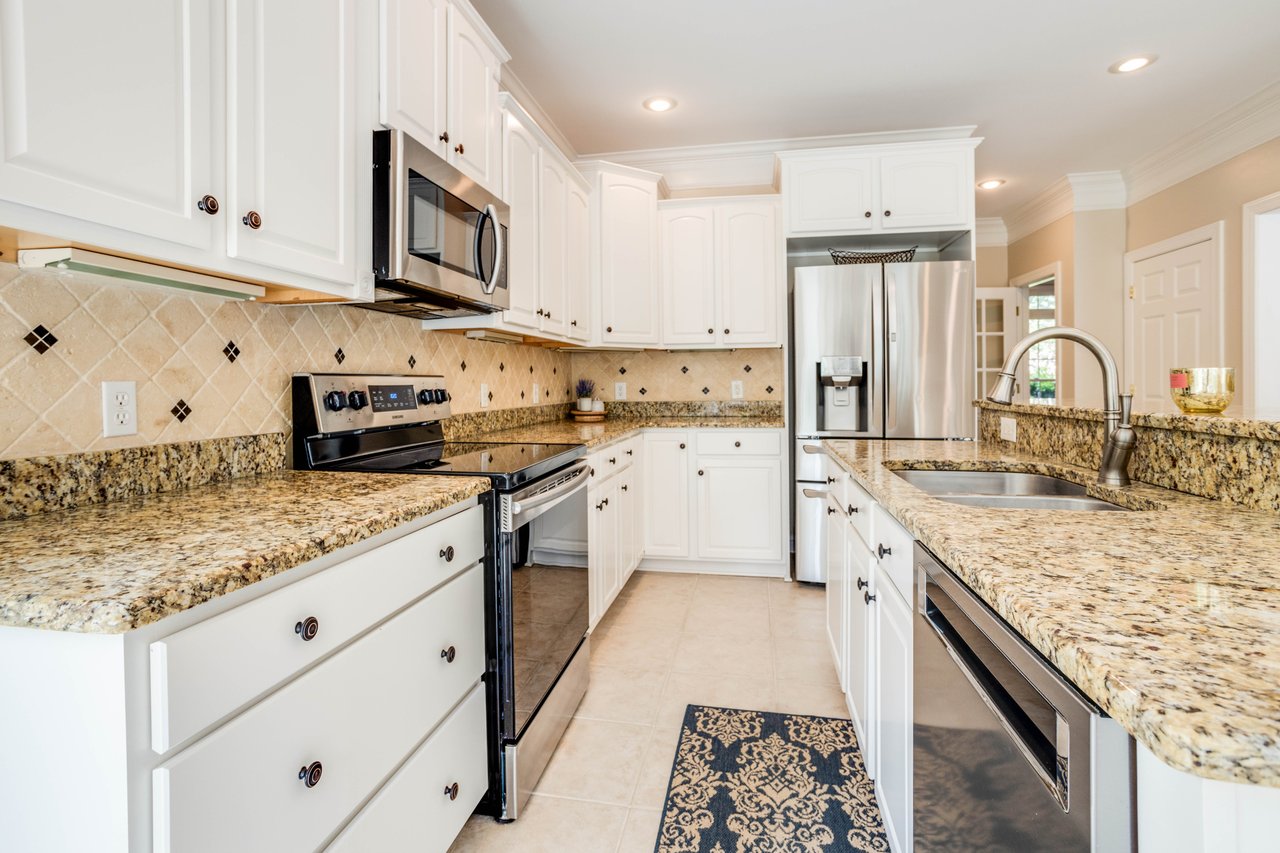
Five Appliances Giving It Away

December 11, 2025

November 6, 2025
November 6, 2025

September 29, 2025
Here’s How to Overdo It in Style

September 29, 2025

August 15, 2025

August 15, 2025

July 11, 2025
Jessica loves being a real estate broker, or as she puts it, the “captain of your team” and advocate who has your best interests at heart when helping you buy or sell a home.